One year into President Donald J. Trump’s second term, NASA is delivering measurable progress across human spaceflight, science, aeronautics, and cutting-edge technology. These advances mark the beginning of a new Golden Age of American space leadership driven by clear national direction and historic investment through the Working Families Tax Cut Act.
Since his inauguration as the 47th President of the United States, NASA has sharpened its mission rooted in President Trump’s national space policy, reinforcing American superiority in space and accelerating progress across exploration, discovery, and innovation. With a renewed focus on human spaceflight, scientific excellence, and national capability, the agency is moving with clarity and momentum.
President Trump’s enduring commitment to space exploration has shaped every aspect of this progress. During his first term, the United States stood up the U.S. Space Force, commenced the Artemis campaign, established the Artemis Accords, which now have 60 signatories and are still growing, and returned American astronauts to human spaceflight from U.S. soil following the space shuttle era.
Now, with a clear National Space Policy and Working Family Tax Cut Act, NASA has the direction, resources, and authority to advance a bold vision for the future.
In the first year of the President’s second term, NASA has flown two human spaceflight missions, launched 15 science missions, and successfully test-flown a new X-plane, while accelerating work across lunar exploration, Earth science, planetary defense, next-generation aeronautics, and technologies to prepare for future missions to Mars.
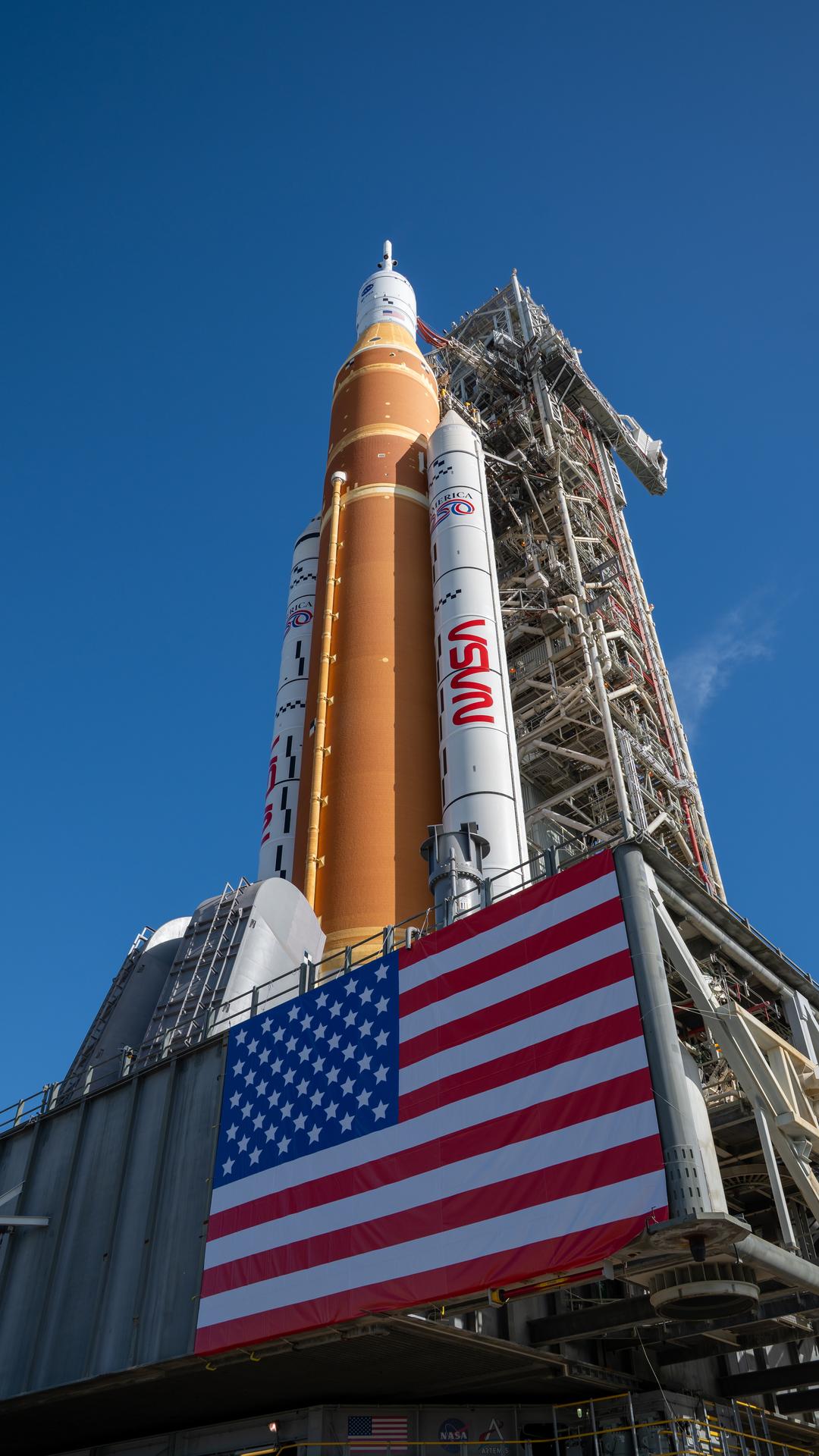
Soon, NASA will launch the Artemis II mission, sending humans around the Moon for the first time in over 50 years, and setting the stage for America’s return to the lunar surface, but this time, to stay. These milestones reflect a workforce empowered to move faster, think bigger, and deliver results for the American people.
“In the first year of this administration, NASA has moved with clarity, purpose, and momentum, advancing President Trump’s bold vision for American leadership in space,” said NASA Administrator Jared Isaacman. “From strengthening our focus on human spaceflight and preparing for the first deep space exploration by NASA astronauts in more than half a century, to accelerating innovation across science, technology, and national capability, the President has provided the clearest executive direction for NASA since the Kennedy era. President Trump’s National Space Policy sharpened our mission, aligned our priorities, and empowered our workforce to move faster and think bigger. Because of that leadership, NASA is confidently delivering on a future of American space superiority for generations to come.”
NASA is positioned to build on this momentum. Under President Trump’s leadership, American astronauts will return to the surface of the Moon by 2028 and establish a sustained human presence with a lunar base. The agency will continue launching missions of science and discovery, including bringing the Nancy Grace Roman Space Telescope into operation before the end of the year. In line with the President’s vision, NASA is advancing nuclear power and propulsion technologies to enable deep space missions and transform what is possible for exploration.
With a focused mission, empowered workforce, and strong partnership with industry and international allies, NASA is entering the second year of President Trump’s second term positioned to change the world, extending American leadership in space and unlocking discoveries that will benefit humanity for decades to come.
For more information about NASA’s missions and programs, visit:
-end-
Bethany Stevens / George Alderman
Headquarters, Washington
771-216-2606 / 202-374-6002
bethany.c.stevens@nasa.gov / george.a.alderman@nasa.gov