5 min read
Preparations for Next Moonwalk Simulations Underway (and Underwater)
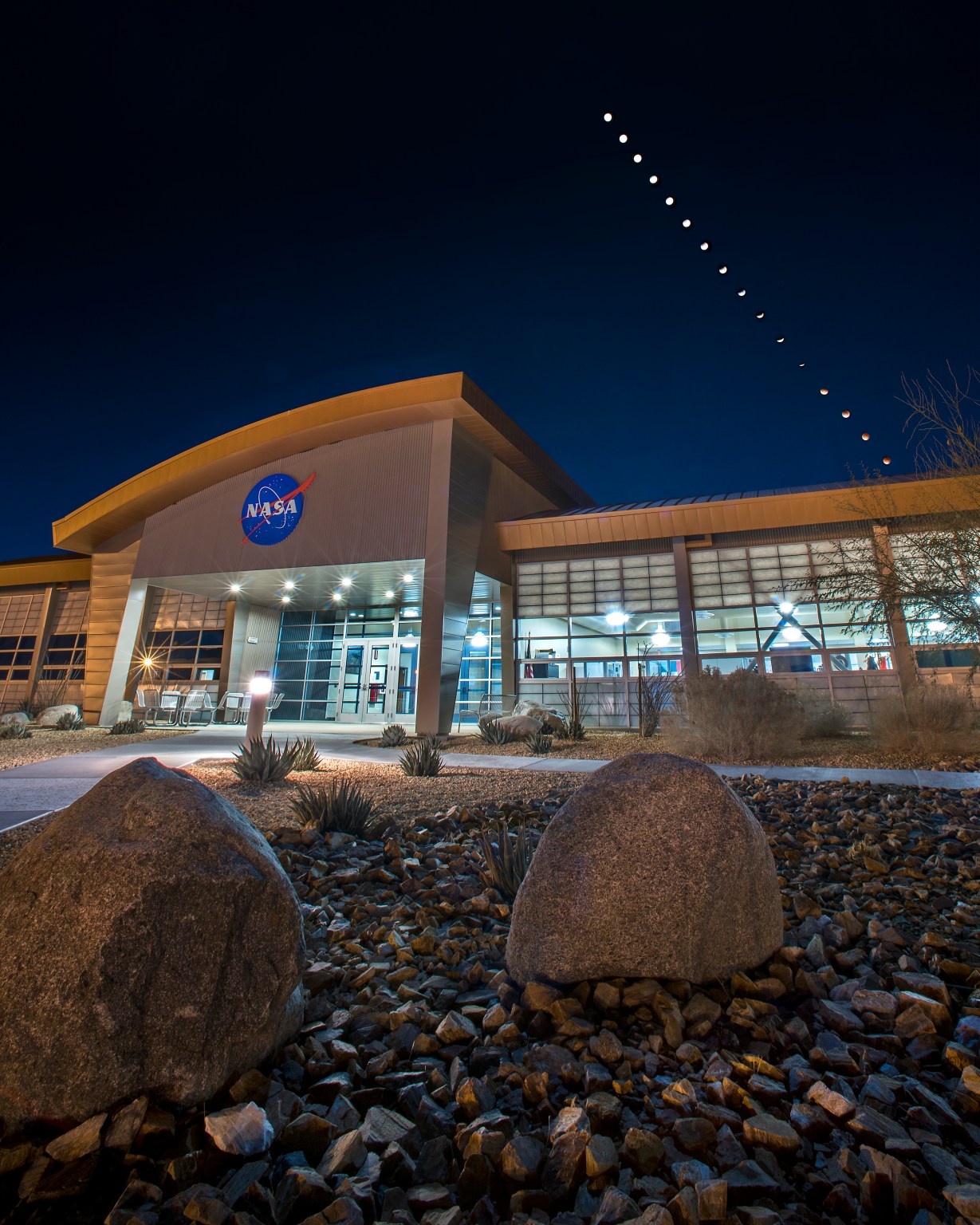
NASA is leveraging expertise, capabilities, and partnerships across its centers to make Artemis campaign and deep space exploration safer, more reliable, and efficient. At NASA’s Armstrong Flight Research Center in Edwards, California, contributions include technical leadership, unique flight-testing capabilities, and management of a key technology program that advances critical exploration concepts.
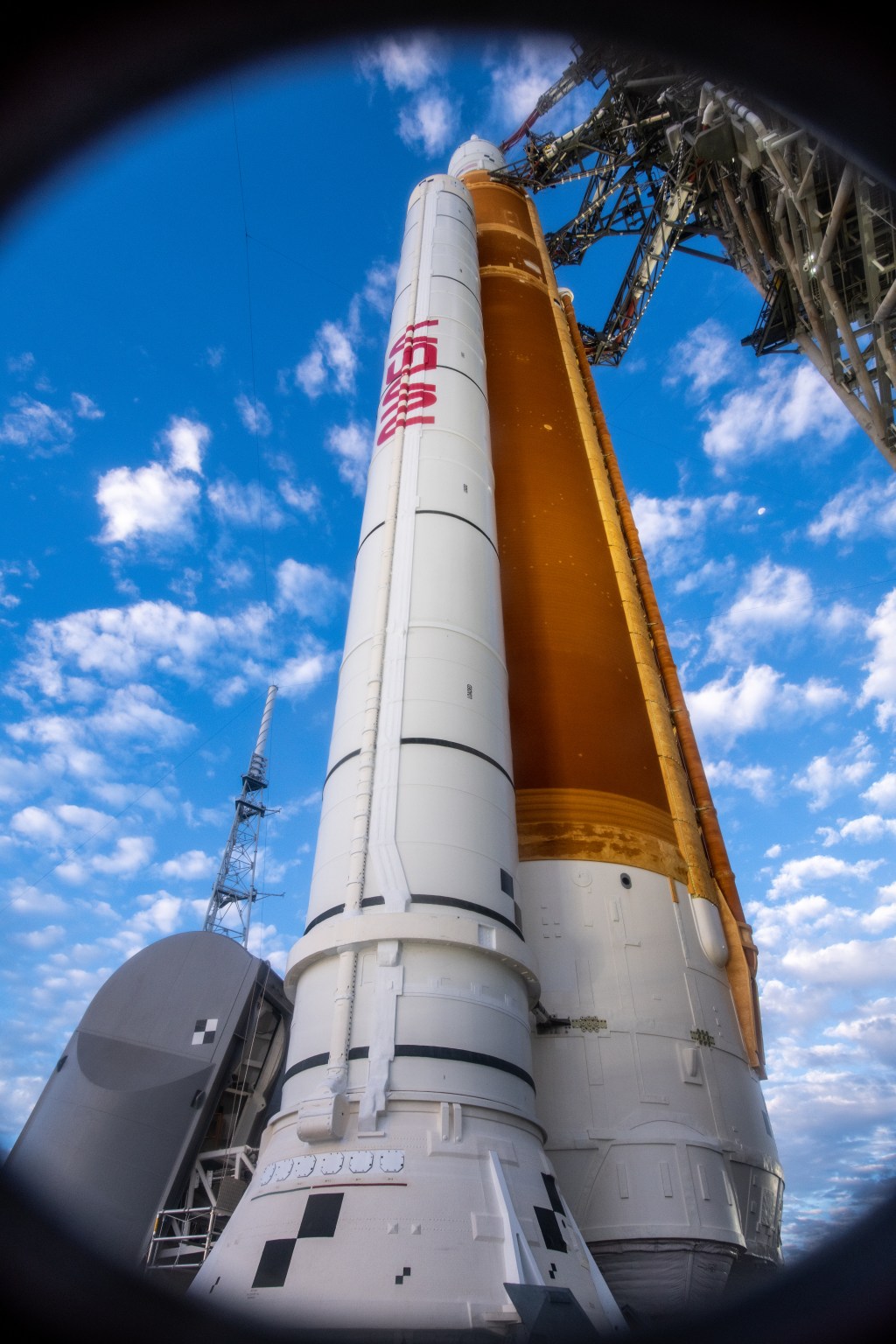
Artemis II is an upcoming challenging test flight, and the lessons learned will directly prepare NASA to return humans to the surface of the Moon on Artemis III and beyond, as well as send the first astronauts – Americans – to Mars.
Gulfstream G-III aircraft collects heat shield data
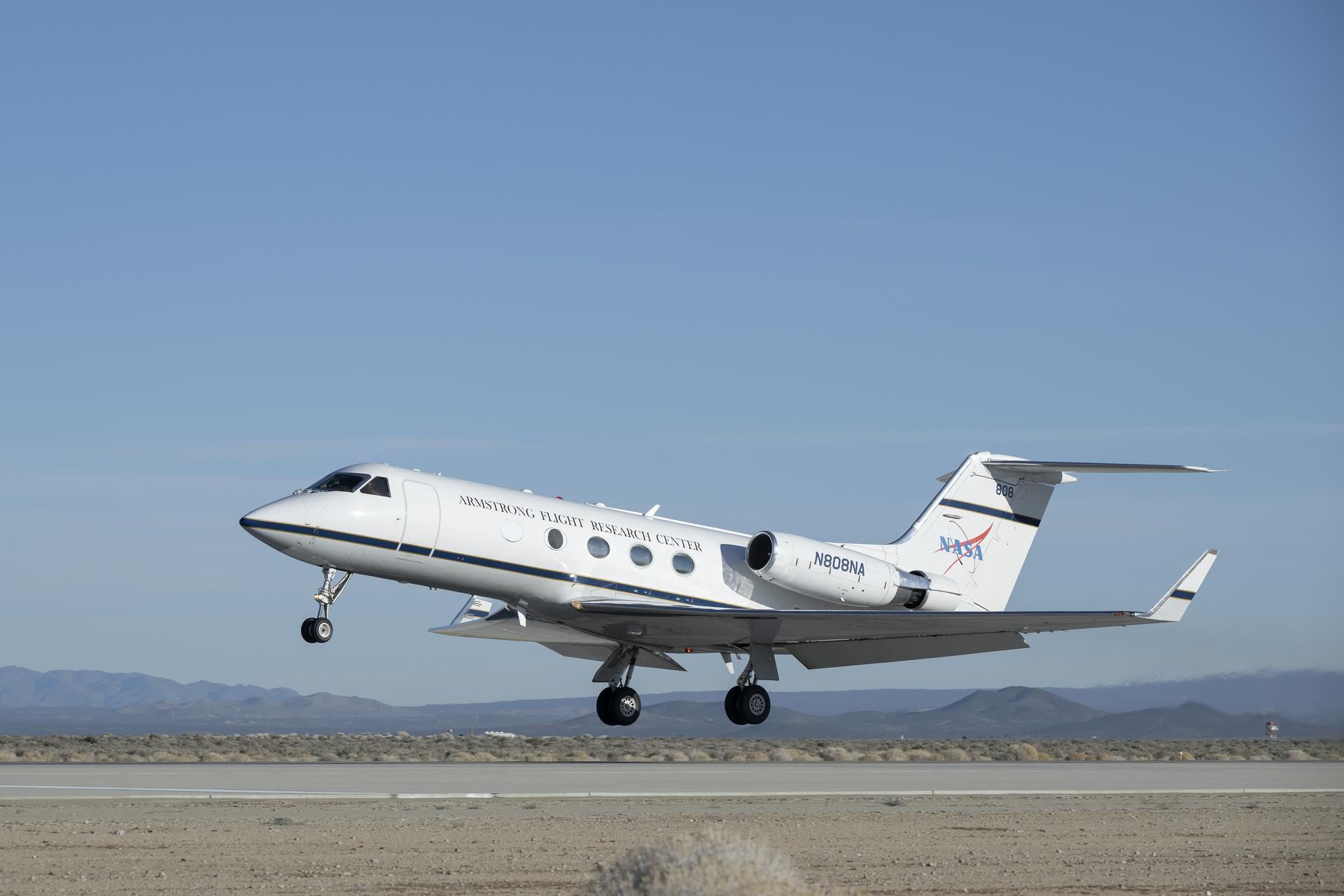
As preparations continue for the Artemis II launch, NASA Armstrong technicians modified a Gulfstream G-III to collect heat shield data during Orion’s reentry. As part of NASA’s Scientifically Calibrated In-Flight Imagery, the G-III will join other aircraft to capture Orion’s thermal protection data.
“Before the Artemis II mission begins, the aircraft will complete a dress rehearsal over the Pacific Ocean to verify the airborne system performance,” said Robert Navarro, NASA Armstrong support aircraft fleet project manager.
Technicians at NASA’s Johnson Space Center in Houston installed sensors and special windows for the imagery mission with assistance from NASA Armstrong technicians.
Measuring Orion’s reentry heat
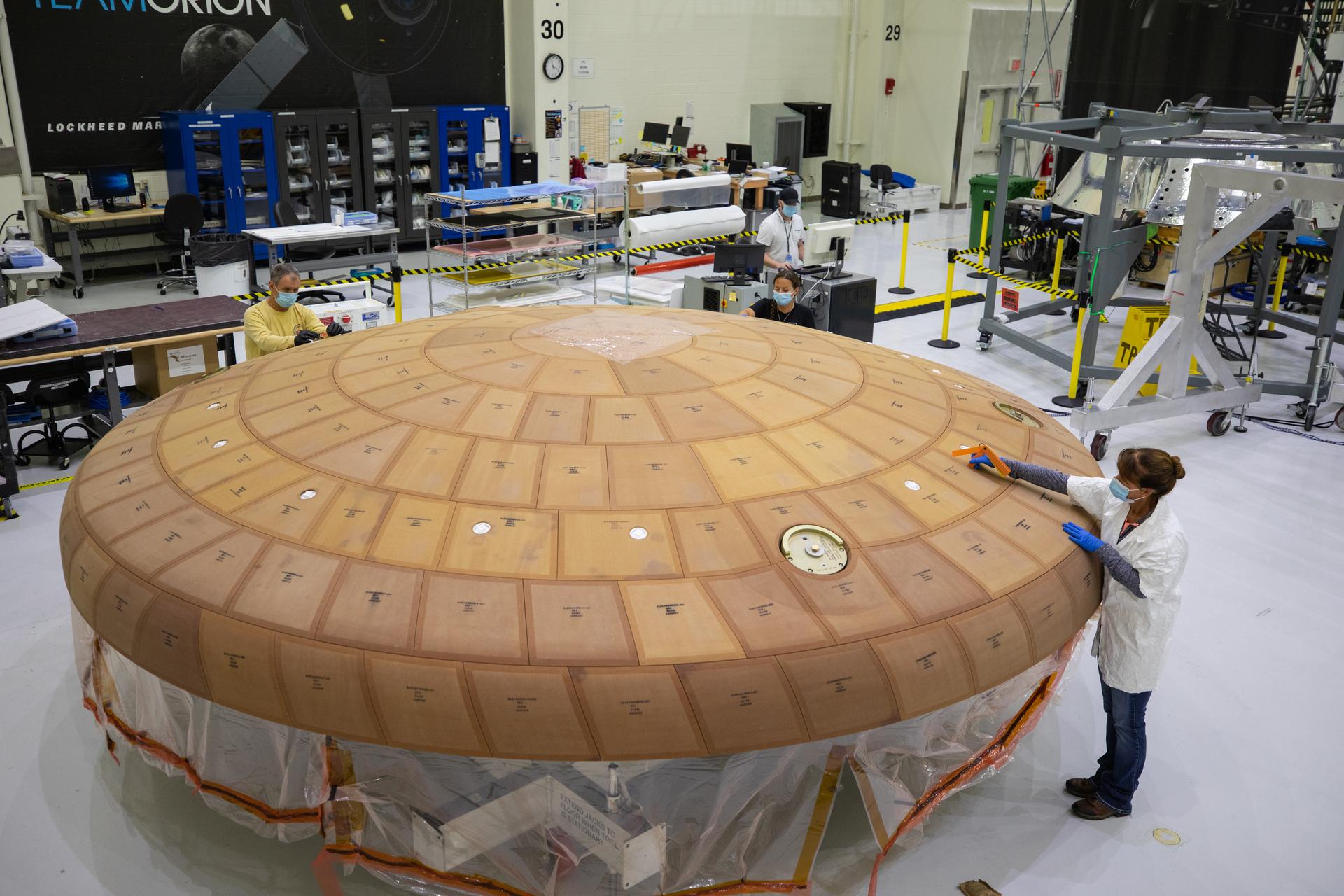
NASA Armstrong also assists with the Orion heat shield spectrometer system for Artemis II. The system is designed to collect shock layer radiation data from the heat shield during atmospheric entry, data that will be used to enhance astronaut safety.
NASA Armstrong’s expertise in integrating technologies, high reliability flight test instrumentation, and flight operations are a match for some Artemis and deep space projects.
“There is nothing that can go to space or come back without going through the atmosphere, so our mission of atmospheric flight research and test is very relevant,” said Brad Flick, NASA Armstrong center director. “We specialize in testing technologies and working through the challenges of flight.”
Testing Orion’s launch abort system
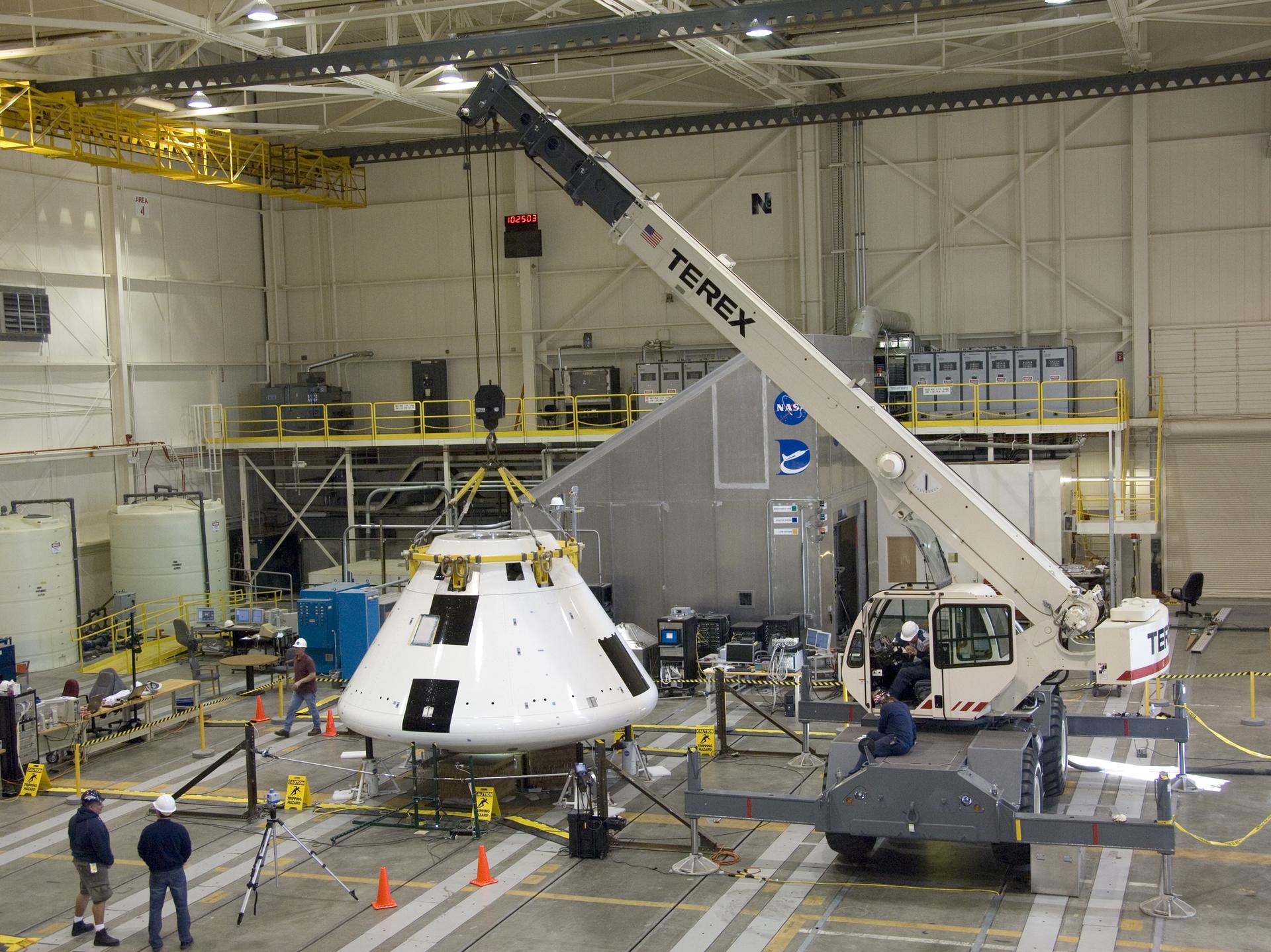
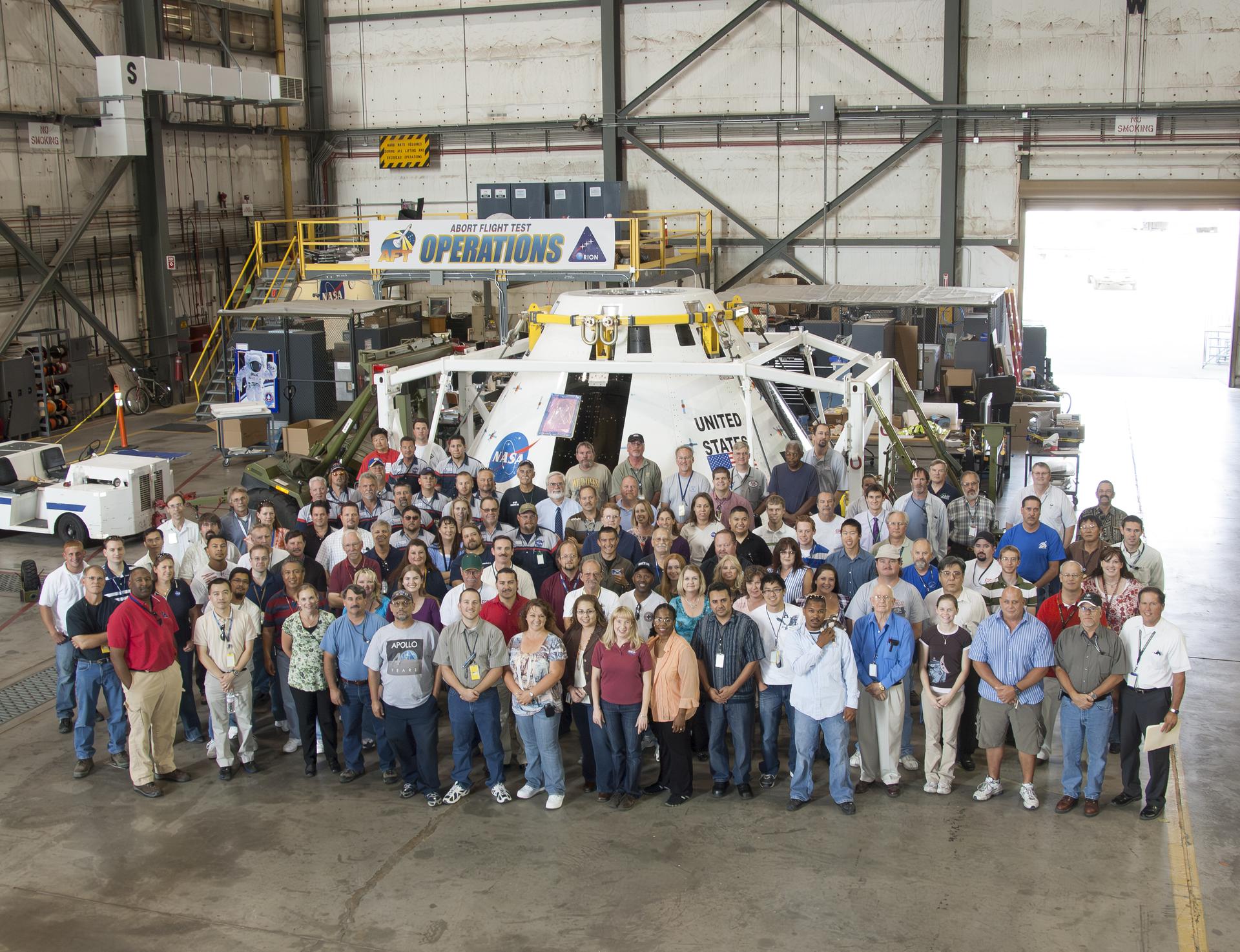
NASA Armstrong demonstrated that approach when it tested a system to enable Artemis astronauts to escape harm in the event of an emergency on the ground, or in the boost phase of the Orion spacecraft.
“We proved the system could get the astronauts to safety,” said Cathy Bahm, project manager for NASA’s Low Boom Flight Demonstrator. Earlier in her career, she played key roles in engineering, integration, and management for Pad Abort-1 and Ascent Abort-2 that validated the Orion spacecraft’s launch abort system.
Armstrong integrated and tested the capsule and abort system and operations at the launch abort pad at White Sands Test Facility in New Mexico for the Pad Abort-1 test.
“Hopefully we’ll never need it, but knowing I contributed to the safety of future astronauts is a highlight of my career,” Bahm said. “Looking back on it, it was a tremendous accomplishment for the center, the team, and a contribution to the future of space travel.”
Flight Opportunities program advances space tech

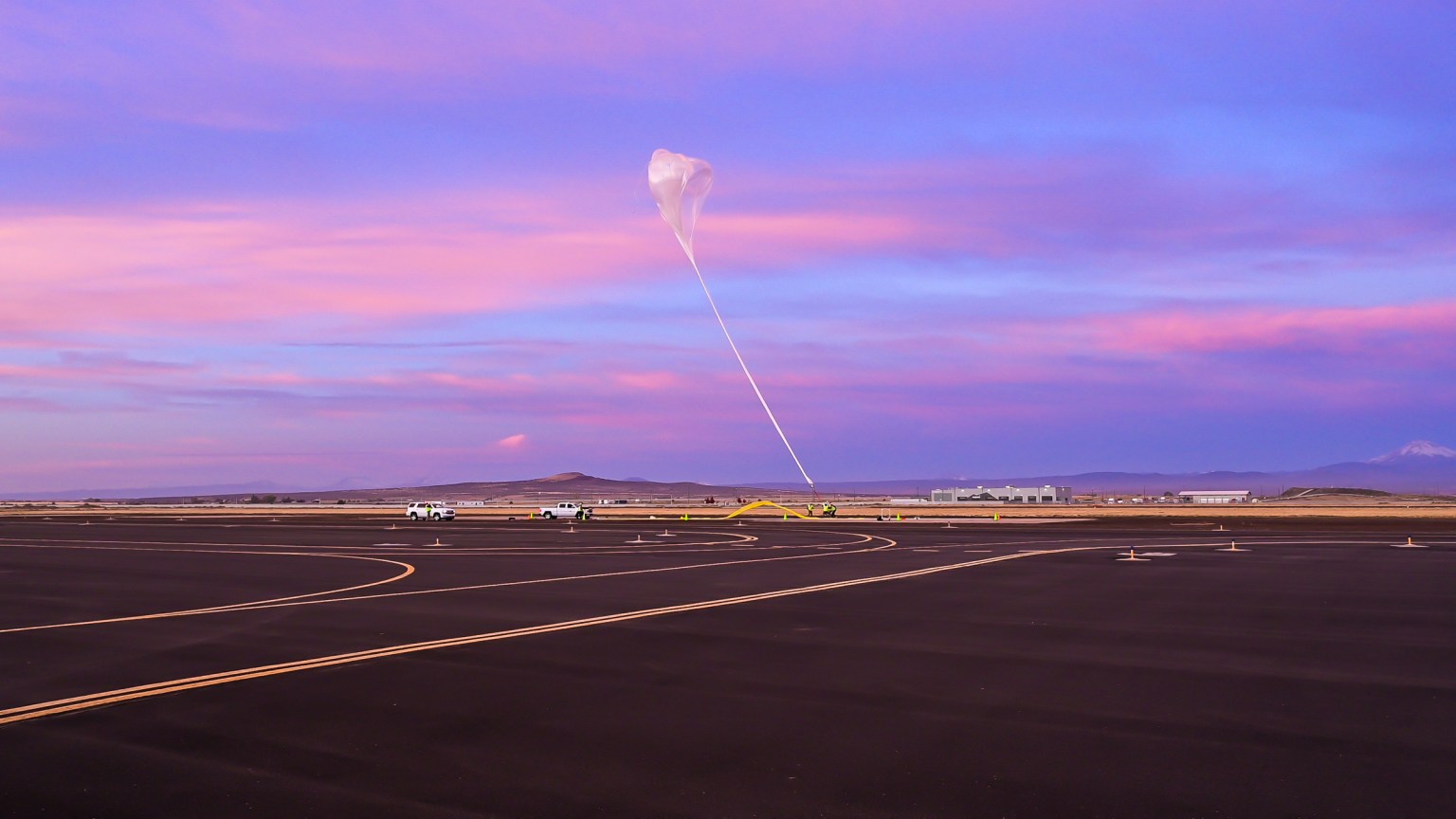
Another contributor to future space travel is the Flight Opportunities program, which matures capabilities needed for NASA missions and commercial applications while strategically investing in the growth of the U.S. commercial spaceflight industry. NASA Armstrong manages the program, which supports flight testing of promising technologies, instruments, and experiments aboard commercial vehicles. Part of the agency’s Space Technology Mission Directorate, the program identifies the best ideas – from industry, academia, and NASA researchers – for flight testing.
Flight Opportunities advanced precision landing and optical communications technologies for future lunar missions.
“Landing safely in shadowed lunar regions is critical,” said Greg Peters, Flight Opportunities program manager.
Another deep space technology Flight Opportunities supported was a vibration isolation platform that helped provide extremely precise pointing for the Deep Space Optical Communications technology demonstration. That instrument used lasers to transmit data between Earth and the Psyche spacecraft from more than 215 million miles away, which could benefit future missions to Mars.
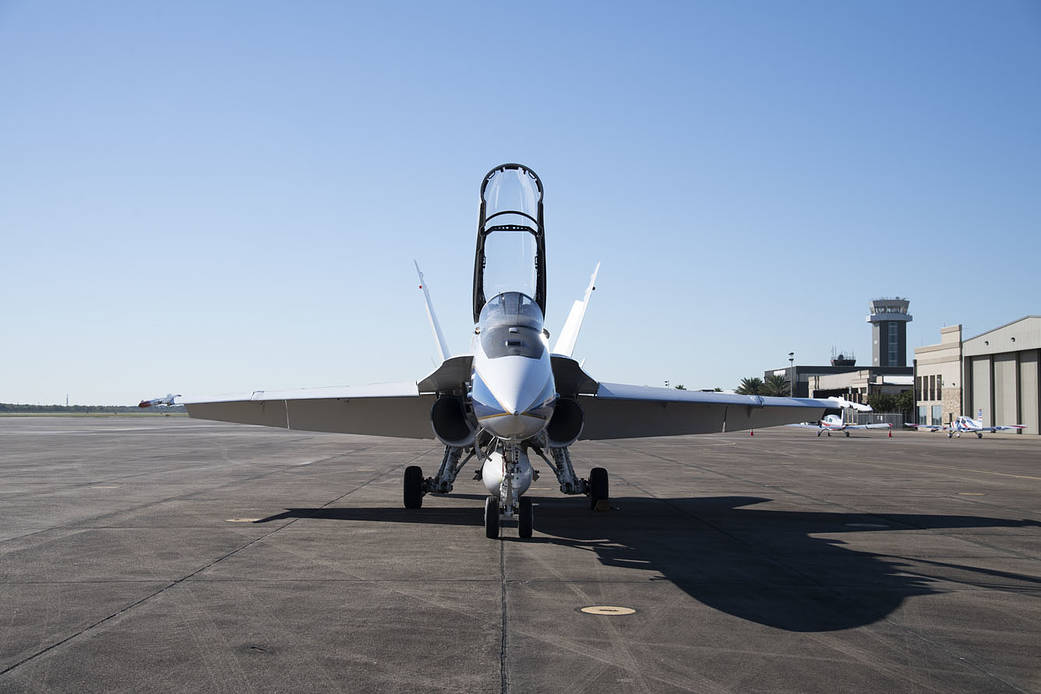
NASA Armstrong tested Doppler Lidar system navigation on an F/A-18 to prepare for Moon and Mars missions.
Contributions to Artemis, deep space exploration
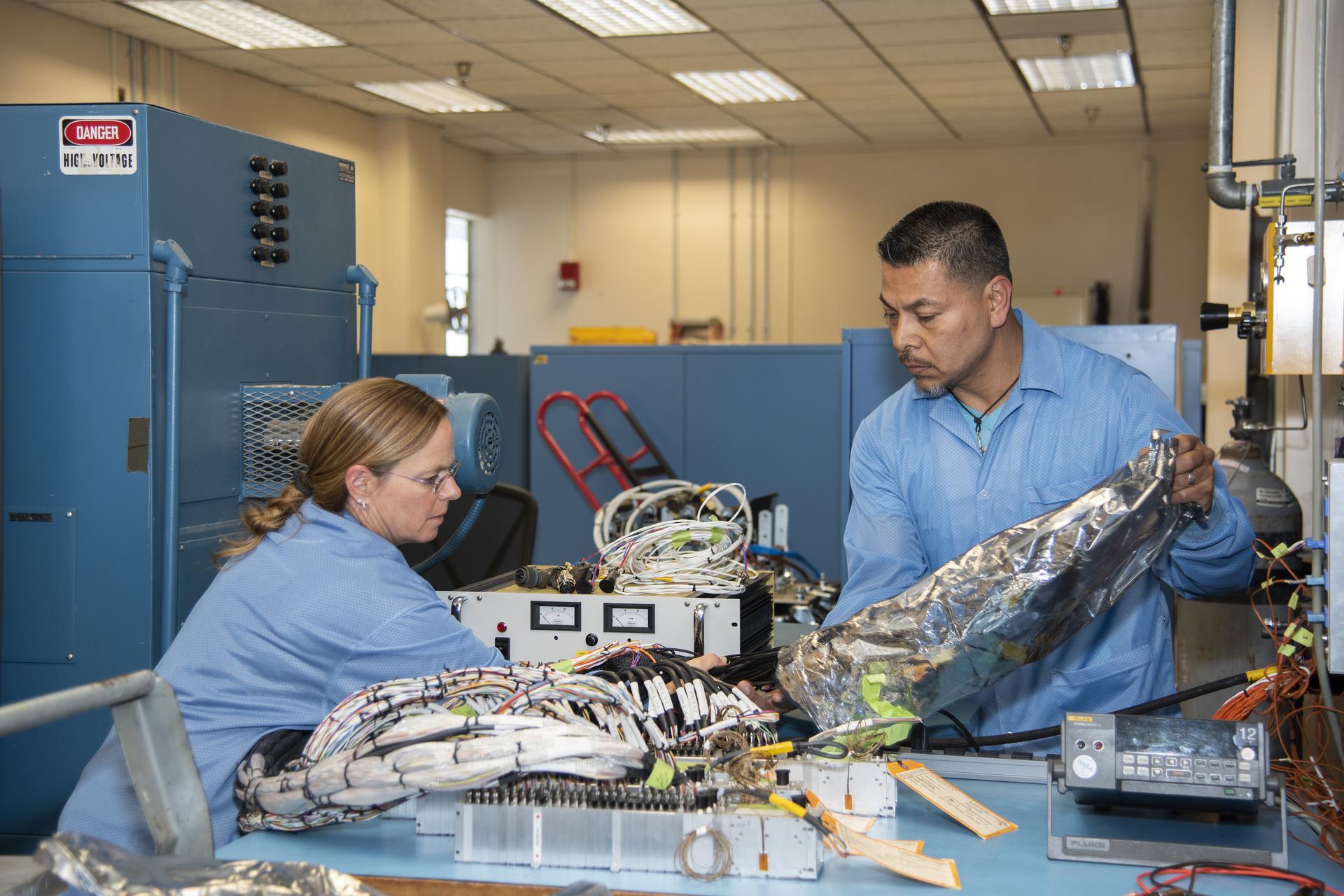
NASA Armstrong’s work supporting Artemis and future deep space exploration missions also includes:
- A NASA F/A-18 based at NASA Armstrong tested an autopilot for the SLS (Space Launch System) that proved sensors would work at the trajectory needed for landing on Mars.
- NASA Armstrong researchers advanced a Fiber Optic Sensing System that flew in space for the first time on the Low Earth Orbit Flight Test of an Inflatable Decelerator mission.
- NASA Armstrong researchers developed a cryogenic FOSS, called CryoFOSS, to support future deep space missions. CryoFOSS was used during testing of a system designed to liquefy oxygen – as it would on the Moon or Mars – for use as return-trip fuel. By producing fuel on-site, missions could avoid carrying return fuel from Earth, significantly reducing launch weight and overall mission cost.
- NASA Armstrong staff were in the control rooms when the Orion spacecraft launch abort system was demonstrated.
- Before the Ascent Abort-2 tests could advance, NASA Armstrong assisted with component testing and integration work.
- NASA Armstrong photographers and videographers documented the Orion parachute tests in Yuma, Arizona.
Under the Artemis campaign, NASA is returning humans to the Moon for economic benefits, scientific discovery, and to prepare for crewed missions to Mars.