The Moon readies for Artemis II, Orion shines bright, and a planetary parade marches across the night sky
NASA’s Artemis II mission has its first opportunity to launch to the moon, Orion the Hunter takes center stage, and a planetary parade marches across the night sky.
Skywatching Highlights
- Feb: Artemis II launch window opens.
- Feb: Orion the Hunter ideal viewing
- Mid-Late Feb: Planetary Parade
Transcript
The Moon could have human visitors for the first time since 1972, the constellation Orion will be clear to see, and a planetary parade will sparkle across the skies.
That’s What’s Up, this February.
The Moon could have some visitors soon!
NASA’s Artemis II mission will send astronauts to fly around the Moon. The first opportunities for launch are this February.
This mission will pave the way for Artemis III, which will be the first time we’ve sent humans to the lunar surface since the final Apollo mission, Apollo 17, in 1972.
So this month, look up to the Moon shining bright in the night sky and there might be somebody looking back down at you.
Can you spot Orion the Hunter in the night sky?
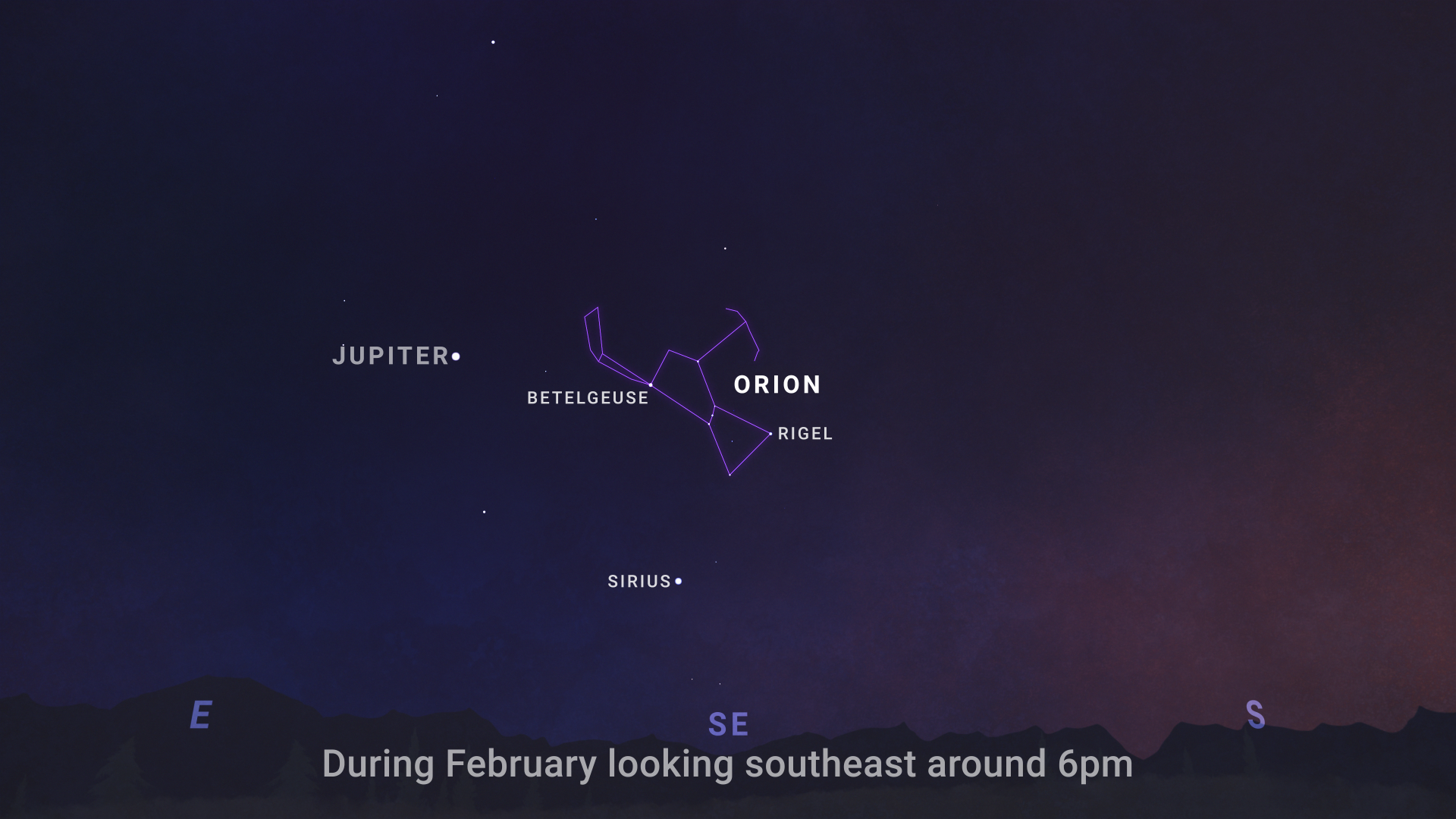
You might be able to see the line of three stars that make up Orion’s Belt, but that belt is a part of a larger constellation called Orion, named for the hunter in Greek mythology.
Above Orion’s belt, the hunter’s right shoulder is actually Betelgeuse (or Alpha Orionis), one of the brightest stars in the night sky!
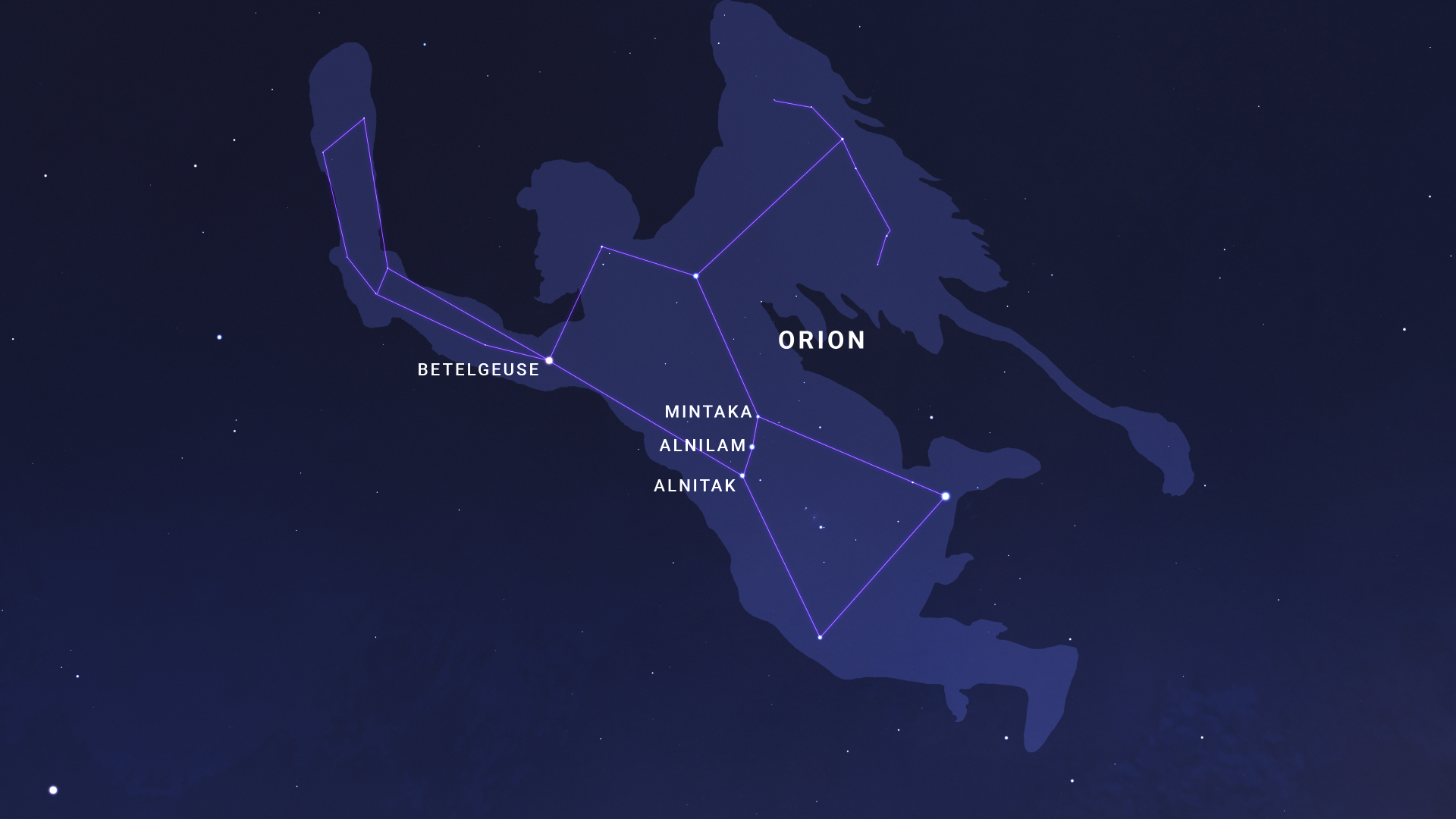
Most visible in the winter, February is one of the clearest times to see Orion in the sky.
From dusk through the night, look to the southern sky and try and spot the hunter for yourself.
A planetary parade will march across the sky this month!
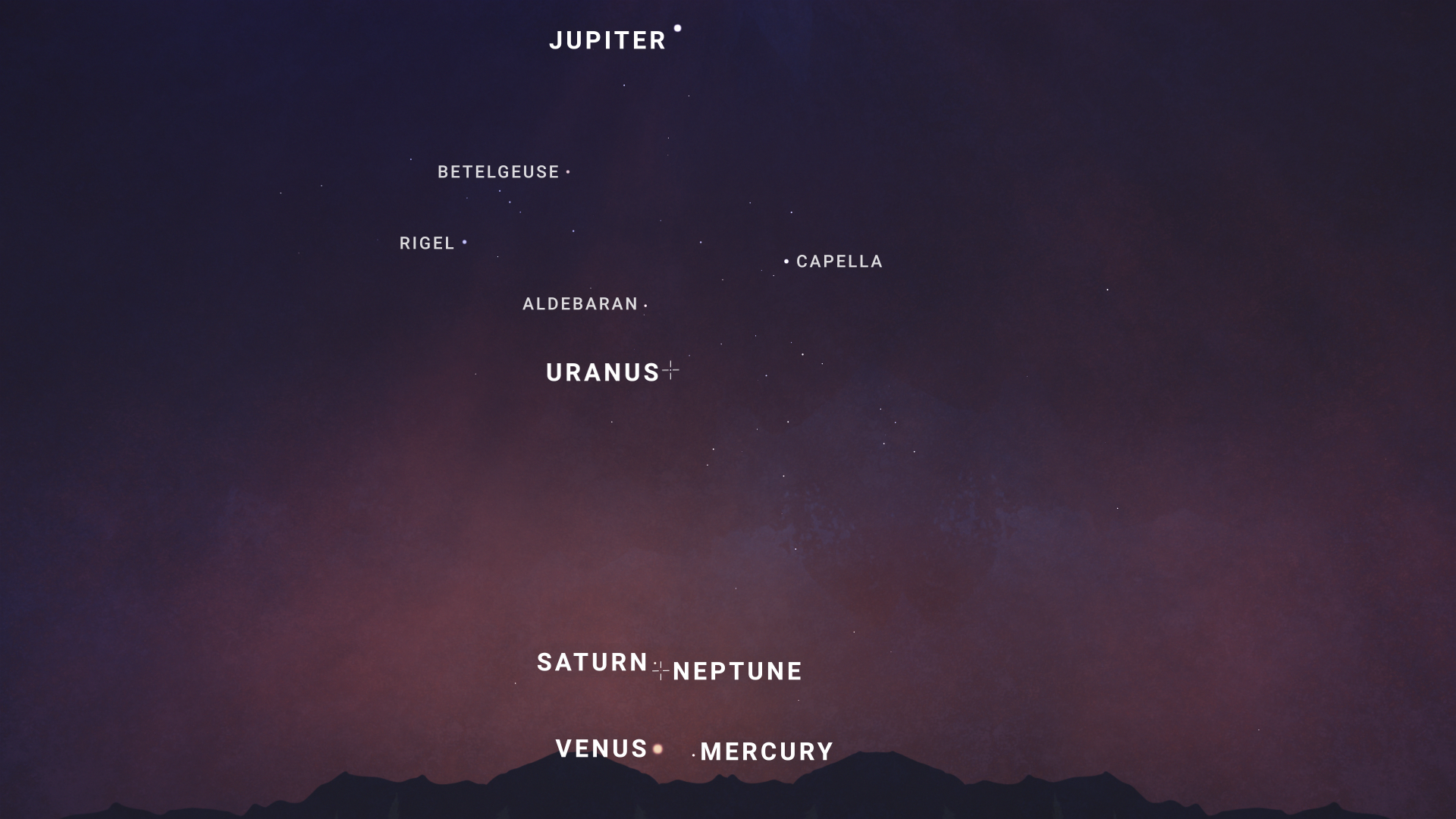
Mid-February, Saturn will drop down toward the horizon as Venus and Mercury climb upward in the sky, meeting together in the west to southwestern sky.
Jupiter will find itself high in the sky.
And even Uranus, found in the southern sky, and Neptune, found nearby Saturn, will join the parade—though you’ll need binoculars or a telescope to spot these two far-off planets.
The planets will be visible soon after sunset throughout the month of February, but they’ll be lined up best toward the end of the month.
So, go outside and see how many planets you can find!
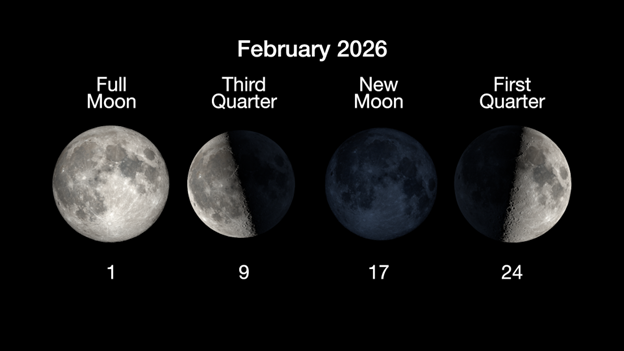
Here are the phases of the Moon for February.
You can stay up to date on all of NASA’s missions exploring the solar system and beyond at science.nasa.gov.
I’m Chelsea Gohd from NASA’s Jet Propulsion Laboratory, and that’s What’s Up for this month.