5 min read
Preparations for Next Moonwalk Simulations Underway (and Underwater)
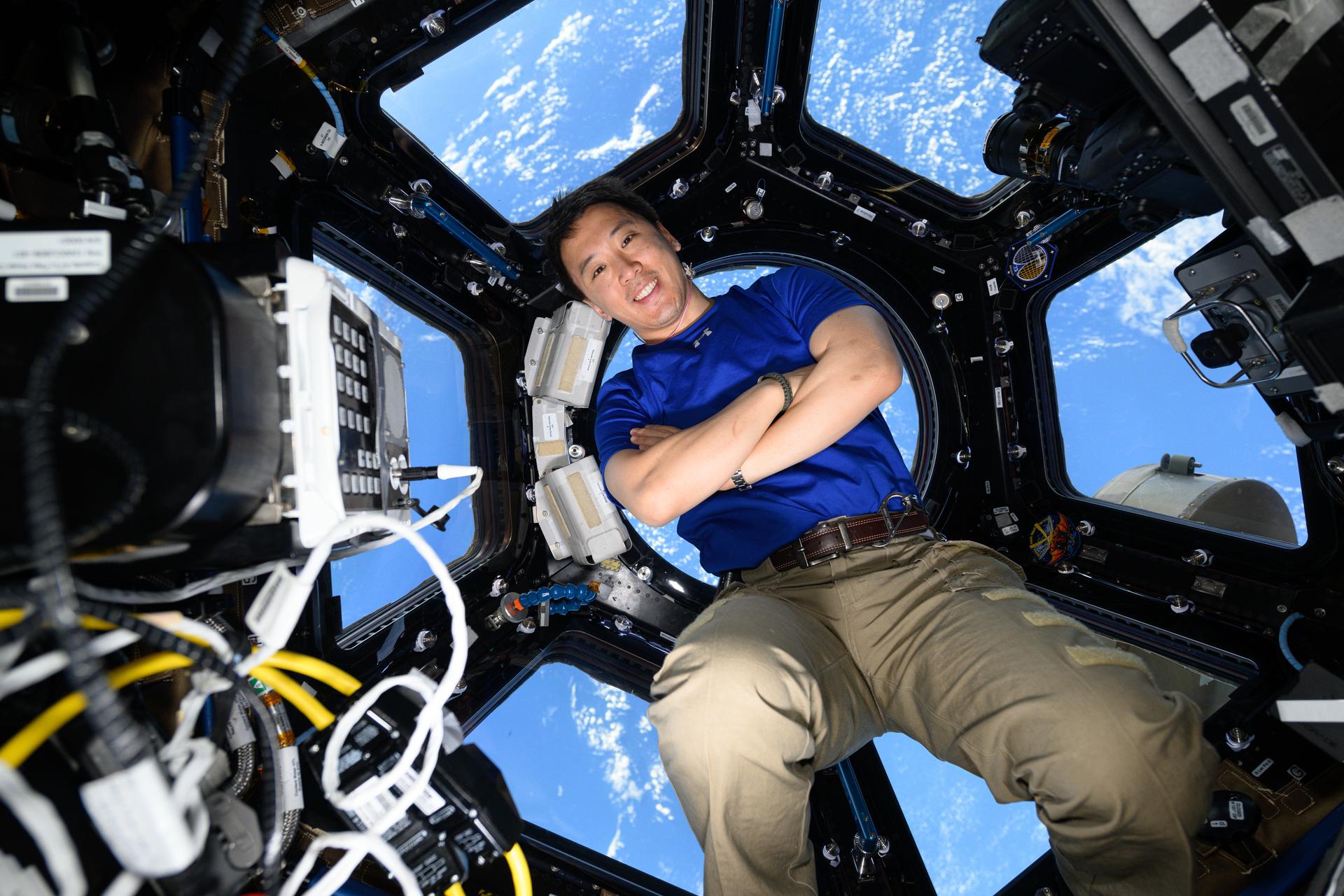
NASA astronaut Jonny Kim is wrapping up his first mission aboard the International Space Station in early December. During his stay, Kim conducted scientific experiments and technology demonstrations to benefit humanity on Earth and advance NASA’s Artemis campaign in preparation for future human missions to Mars.
Here is a look at some of the science Kim completed during his mission:
Medical check-ups in microgravity
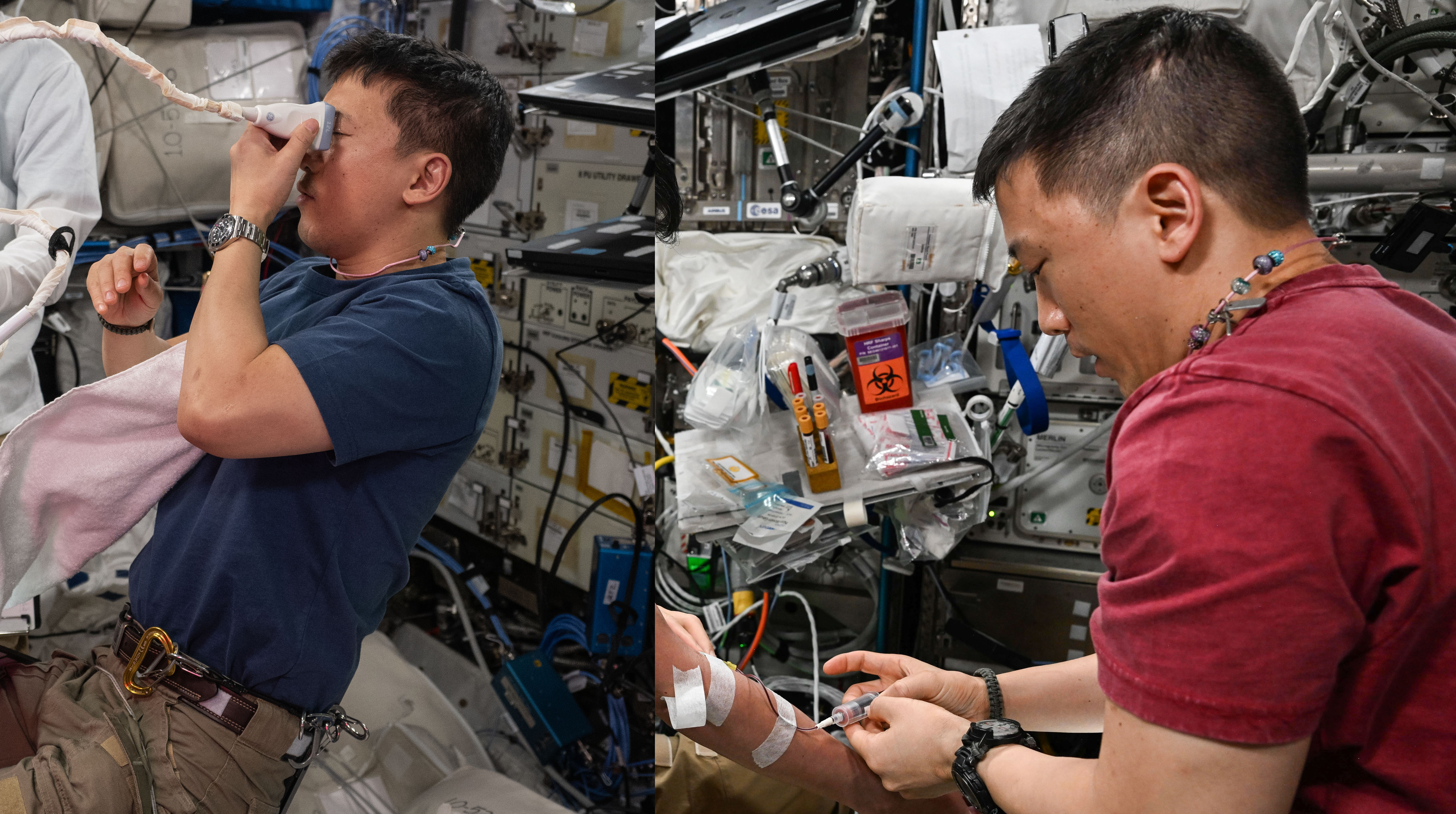
NASA astronaut Jonny Kim, a medical doctor, completed several routine medical exams while aboard the International Space Station. NASA flight surgeons and researchers monitor crew health using a variety of tools, including blood tests, eye exams, and ultrasounds.
Kim conducts an ultrasound of his eye in the left image. Eye exams are essential as long-duration spaceflight may cause changes to the eye’s structure and affect vision, a condition known as spaceflight associated neuro-ocular syndrome, or SANS. In the right image, Kim draws blood from a fellow crew member. These blood sample collections provide important insights into crew cartilage and bone health, cardiovascular function, inflammation, stress, immune function, and nutritional status.
NASA astronauts complete regular medical exams before, during, and after spaceflight to monitor astronaut health and develop better tools and measures for future human exploration missions to the Moon and Mars.
Learn more about human research on space station.
Low light plant growth
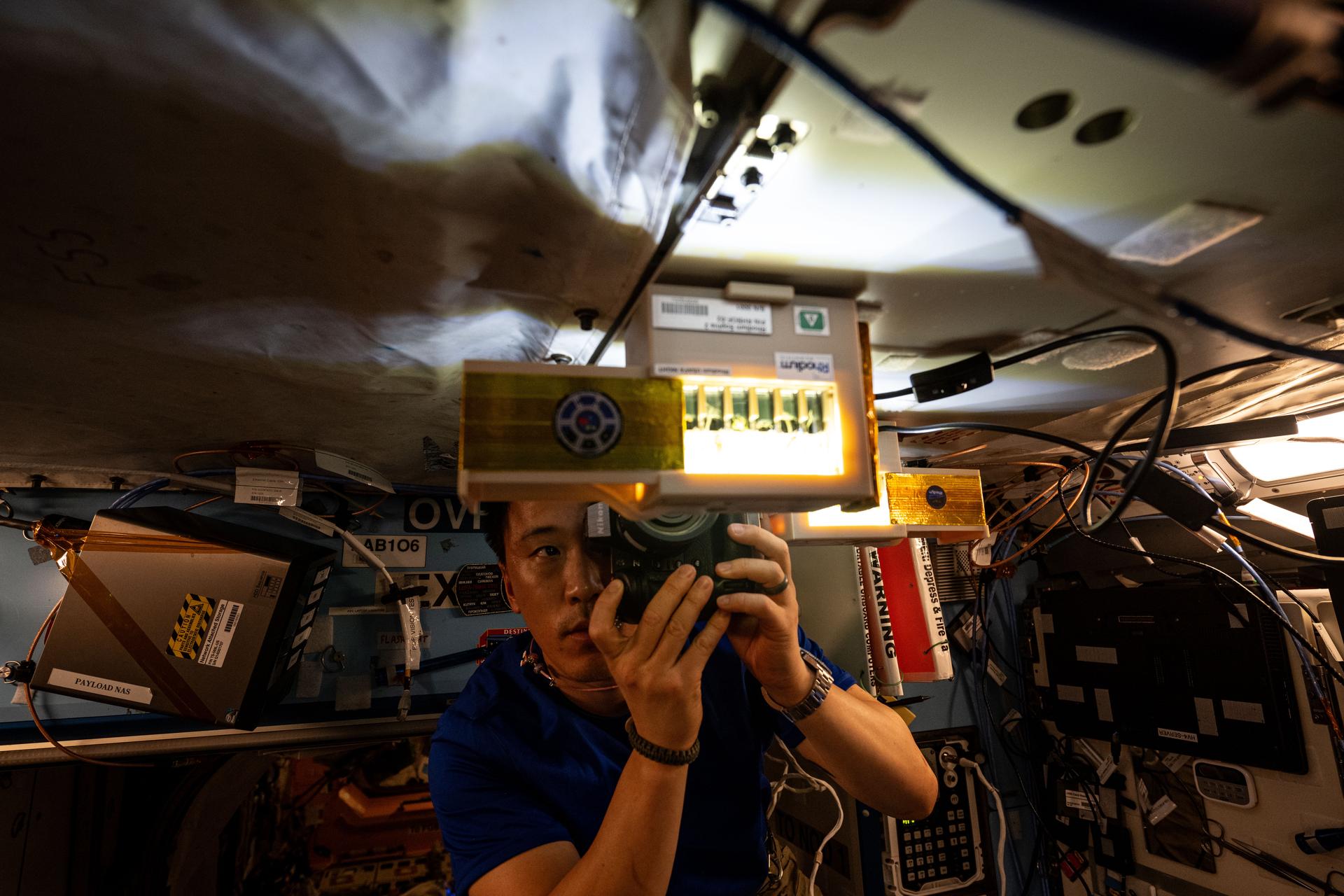
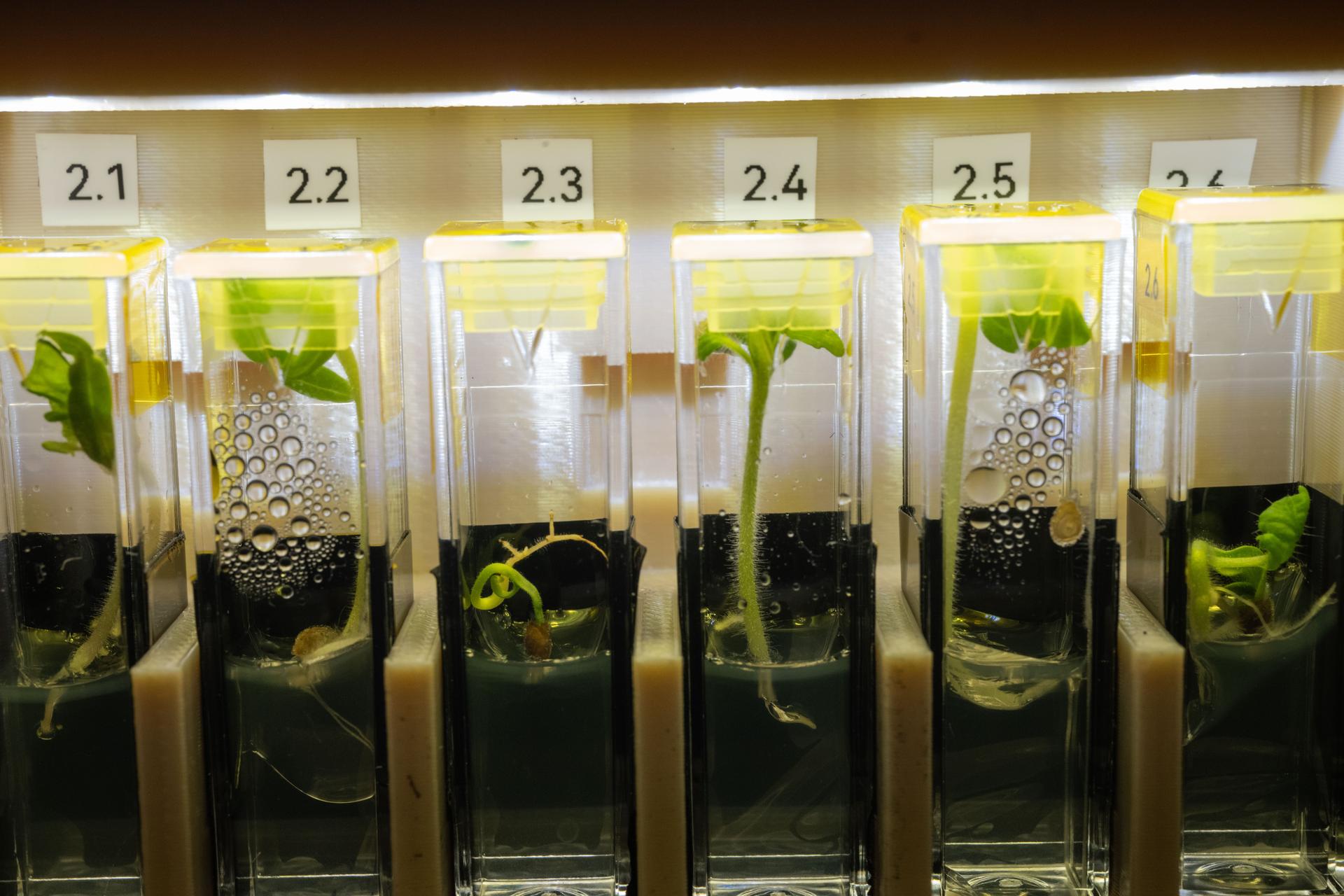
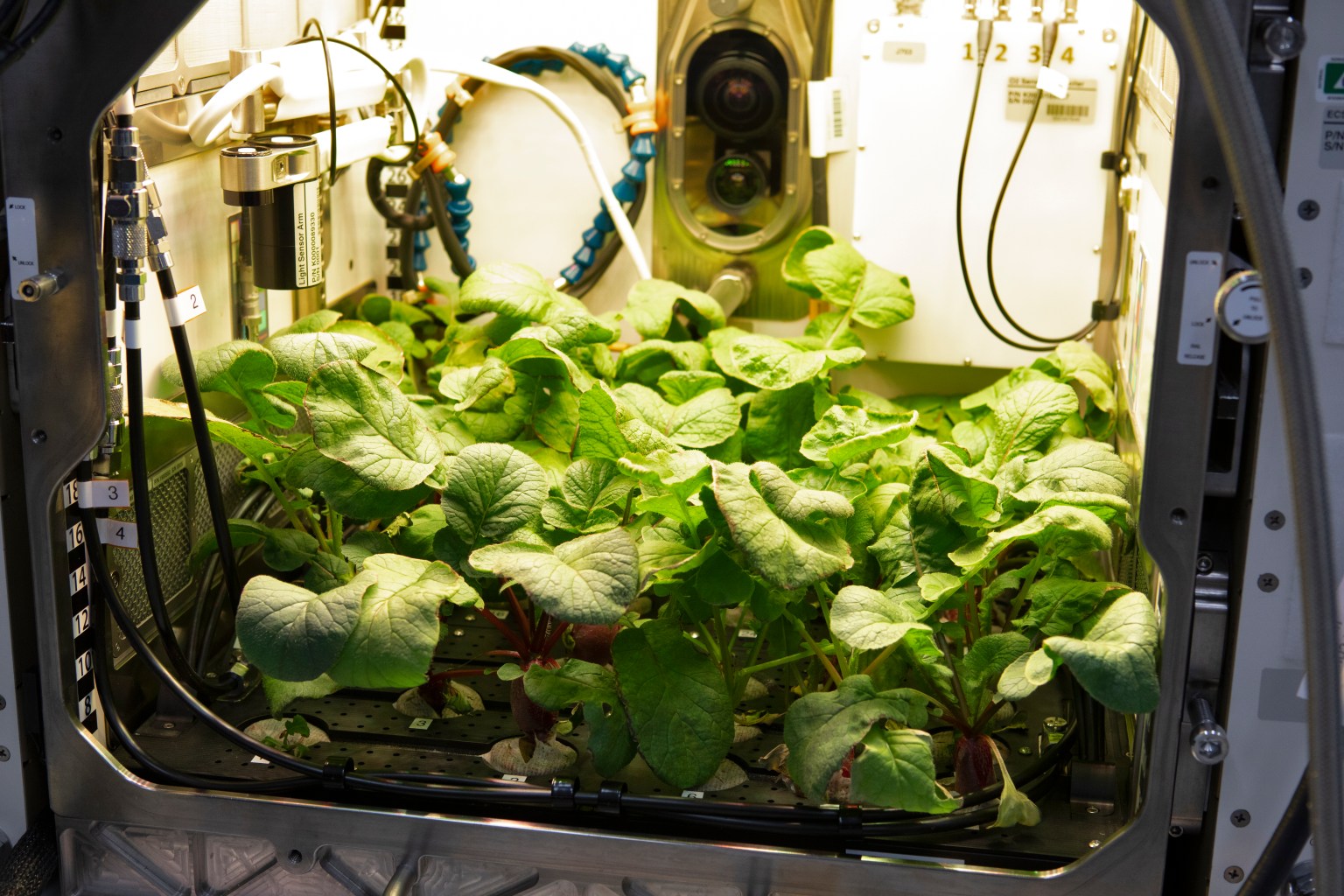
NASA astronaut Jonny Kim photographs dwarf tomato sprouts grown using a nutrient supplement instead of photosynthesis as part of a study on plant development and gene expression. The plants are given an acetate supplement as a secondary nutrition source, which could increase growth and result in better yields, all while using less power and fewer resources aboard the space station and future spacecraft.
Learn more about Rhodium USAFA NIGHT.
Radioing future space explorers
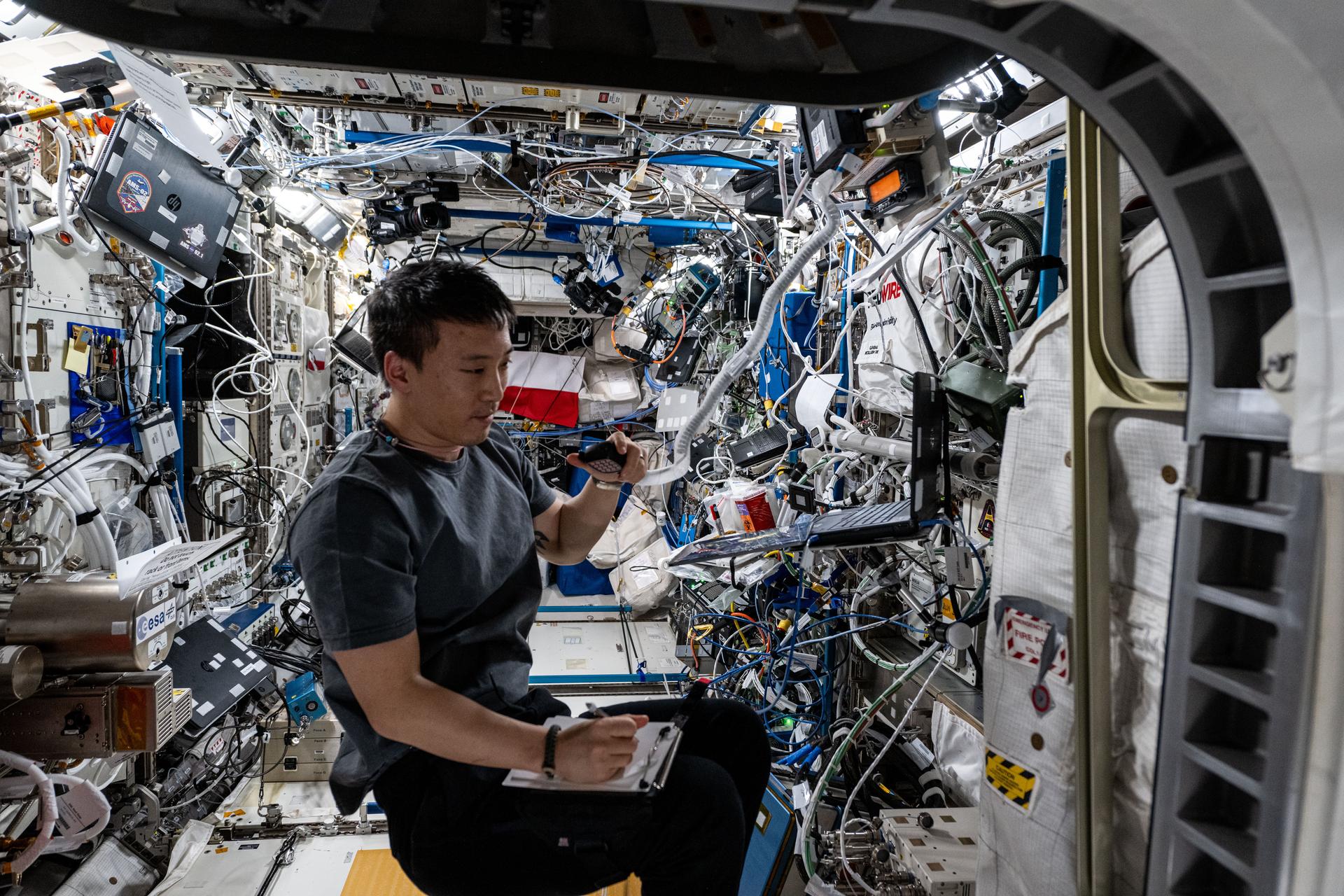
NASA astronaut Jonny Kim uses a ham radio to speak with students on Earth via an educational program connecting students worldwide with astronauts aboard the International Space Station. Students can ask about life aboard the orbiting laboratory and the many experiments conducted in microgravity. This program encourages an interest in STEM (science, technology, engineering, and mathematics) and inspires the next generation of space explorers.
Learn more about ISS Ham Radio.
Encoding DNA with data
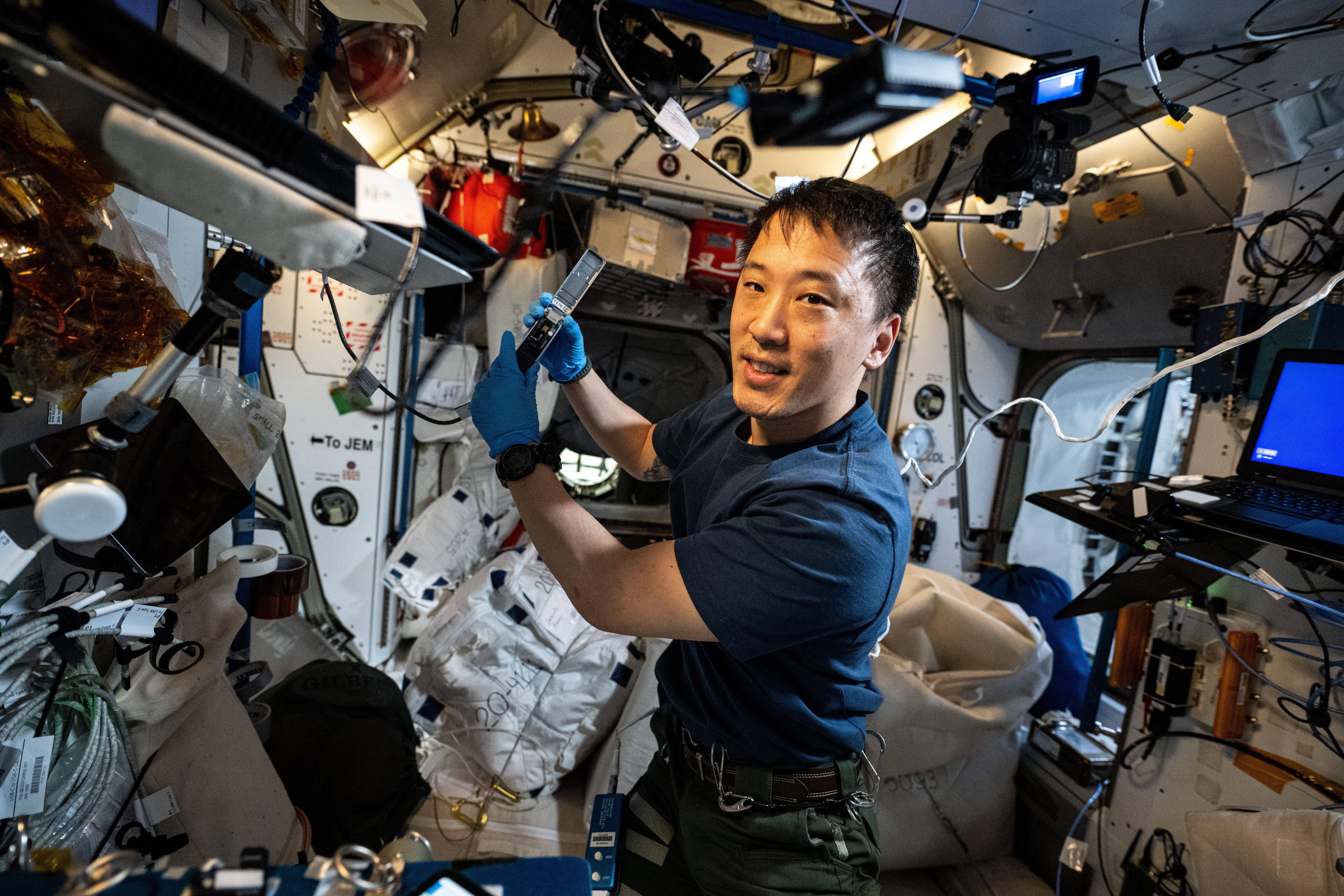
Secure and reliable data storage and transmission are essential to maintain the protection, accuracy, and accessibility of information. In this photo, NASA astronaut Jonny Kim displays research hardware that tests the viability of encoding, transmitting, and decoding encrypted information via DNA sequences. As part of this experiment, DNA with encrypted information is sequenced aboard the space station to determine the impact of the space environment on its stability. Using DNA to store and transmit data could reduce the weight and energy requirements compared to traditional methods used for long-duration space missions and Earth-based industries.
Learn more about Voyager DNA Decryption.
Remote robotics

Future deep space exploration could rely on robotics remotely operated by humans. NASA astronaut Jonny Kim tests a technology demonstration that allows astronauts to remotely control robots on Earth from the International Space Station. Findings from this investigation could help fine-tune user-robot operating dynamics during future missions to the Moon, Mars, and beyond.
Learn more about Surface Avatar.
Blocking bone loss
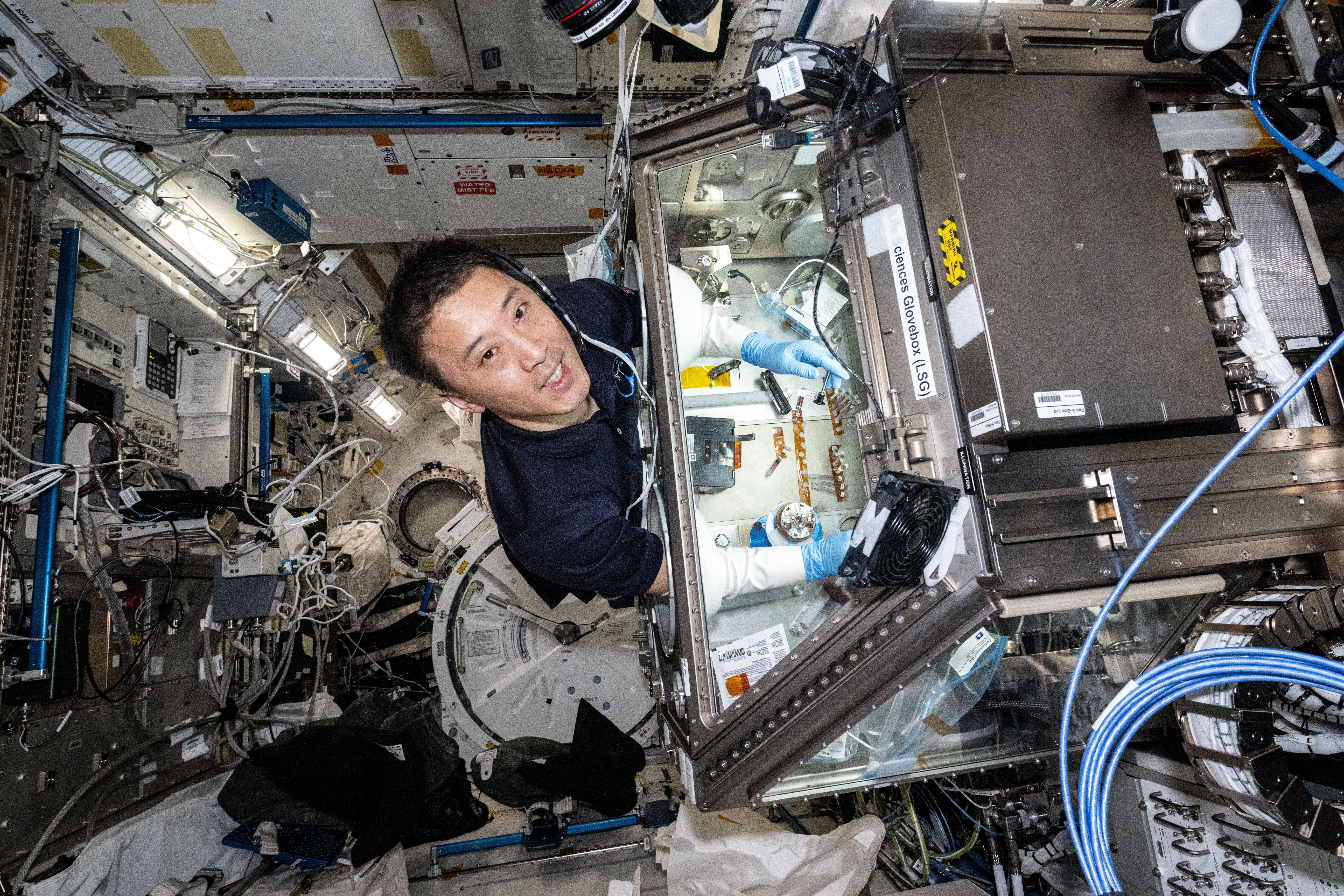
NASA astronaut Jonny Kim conducts an investigation to assess the effects of microgravity on bone marrow stem cells, including their ability to secrete proteins that form and dissolve bone. Bone loss, an age-related factor on Earth, is aggravated by weightlessness and is a health concern for astronauts. Researchers are evaluating whether blocking signals that cause loss could protect astronauts during long-duration spaceflights. The findings could also lead to preventative measures and treatments for bone loss caused by aging or disease on Earth.
Learn more about MABL-B.
Upscaling production
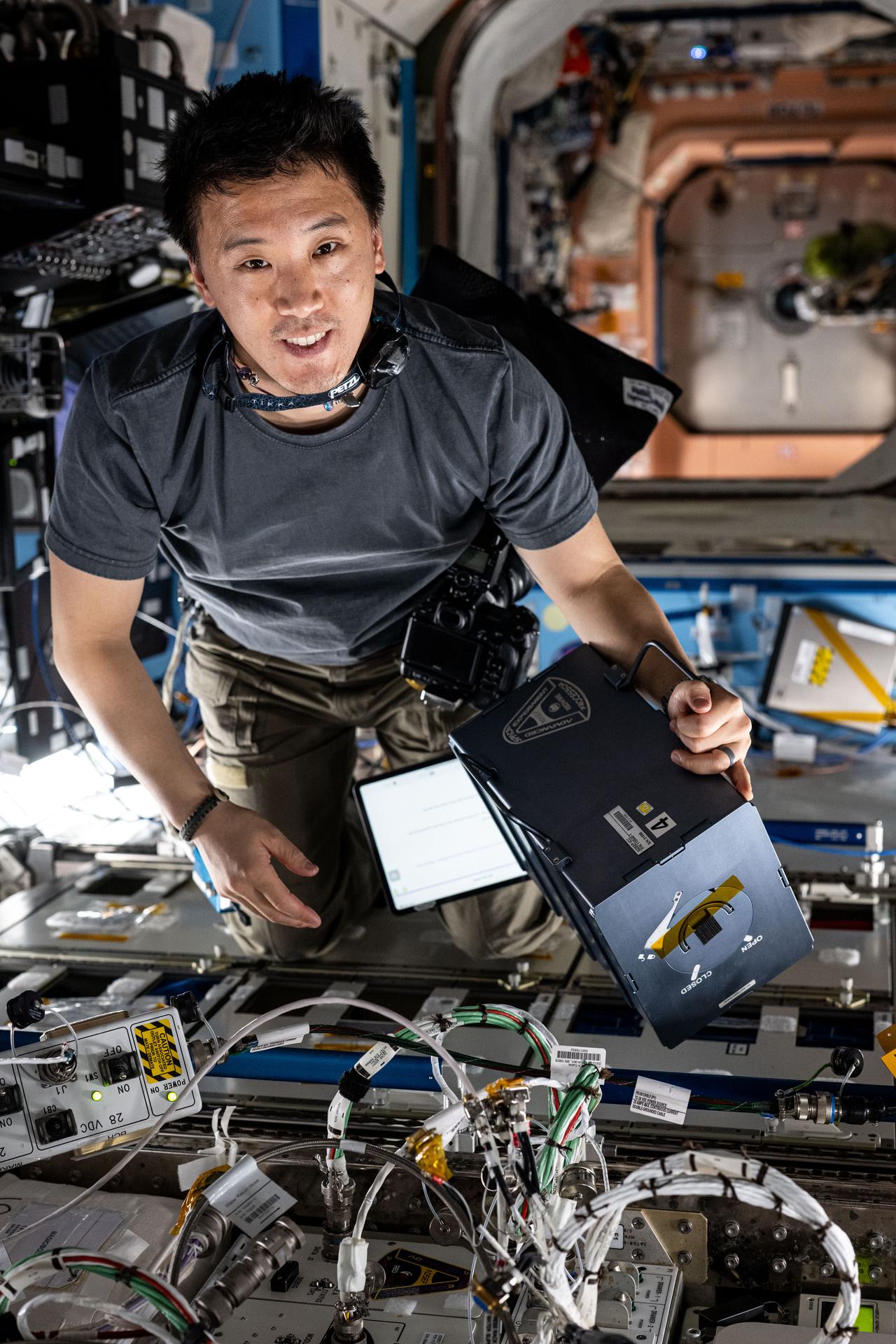
NASA astronaut Jonny Kim tests new hardware installed to an existing crystallization facility that enables increased production of crystals and other commercially relevant materials, like golden nanospheres. These tiny, spherical gold particles have optical and electronic applications, and are biocompatible, making them useful for medication delivery and diagnostics. As part of this experiment aboard the space station, Kim attempted to process larger, more uniform golden nanospheres than those produced on the ground.
Learn more about ADSEP-ICC.
Nutrients on demand
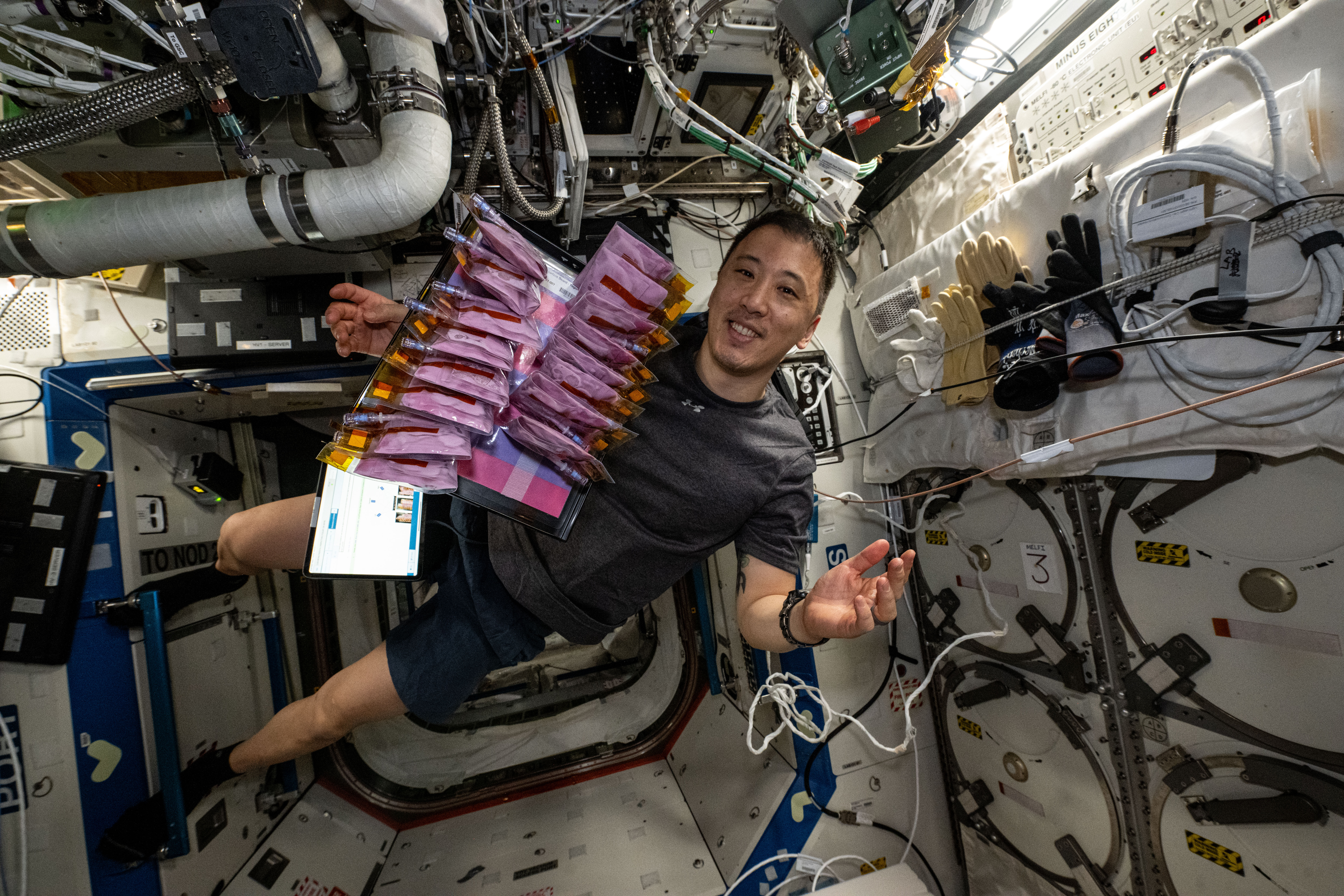
Some vitamins and nutrients in foods and supplements lose their potency during long-term storage, and insufficient intake of even a single nutrient can lead to diseases and other health issues. NASA astronaut Jonny Kim displays purple-pink production bags for an investigation aimed at producing nutrient-rich yogurt and kefir using bioengineered yeasts and probiotics. The unique color comes from a food-grade pH indicator that allows astronauts to visually monitor the fermentation process.
Learn more about BioNutrients-3.
Next-Gen medicine and manufacturing
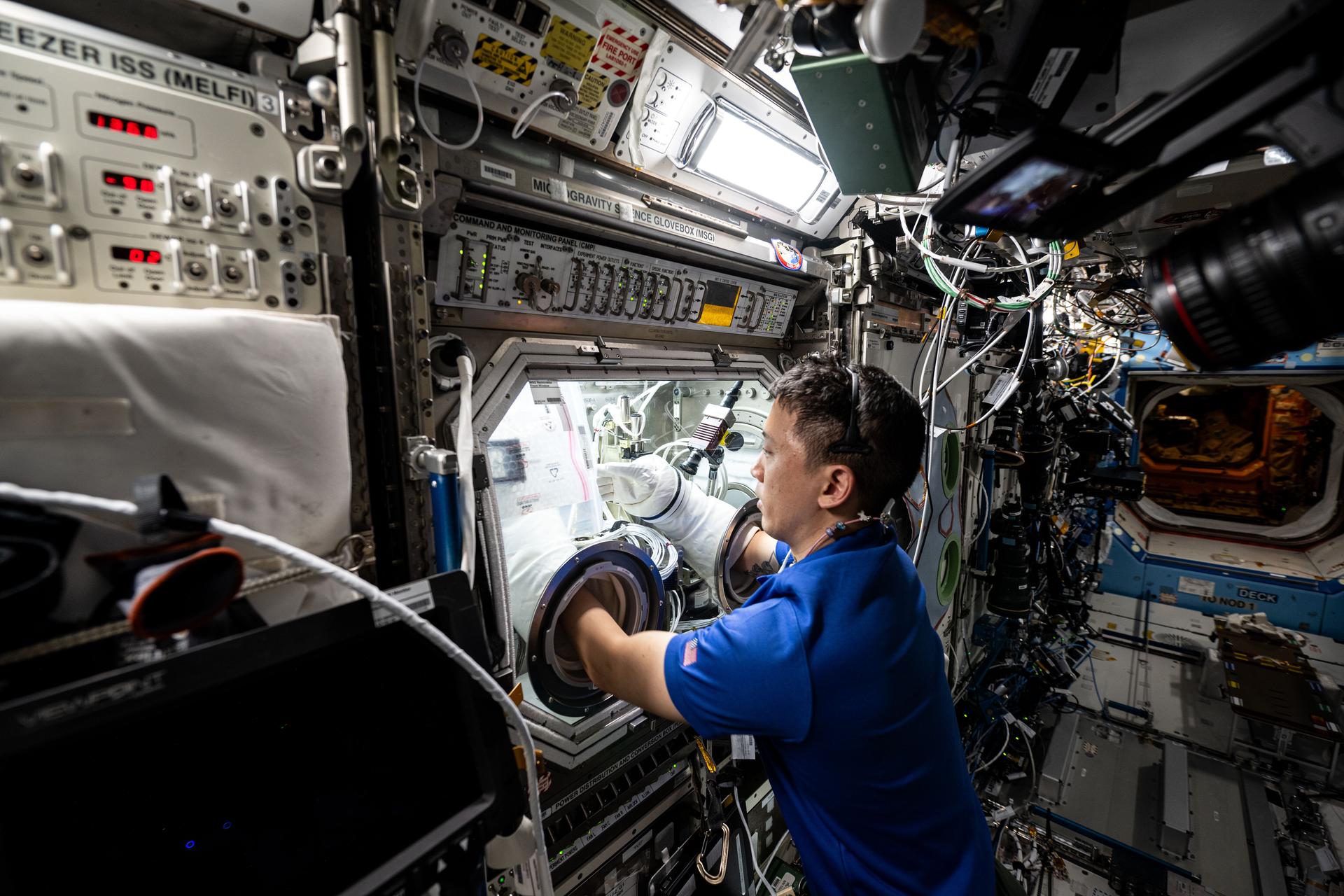
NASA astronaut Jonny Kim uses the Microgravity Science Glovebox to study how high-concentration protein fluids behave in microgravity. This study helps researchers develop more accurate models to predict the behavior of these complex fluids in various scenarios, which advances manufacturing processes in space and on Earth. It also can enable the development of next-generation medicines for treating cancers and other diseases.
Learn more about Ring Sheared Drop-IBP-2.
Observing colossal Earth events

On Sept. 28, 2025, NASA astronaut Jonny Kim photographed Hurricane Humberto from the International Space Station. Located at 250 miles above Earth, the orbiting laboratory’s unique orbit allows crew members to photograph the planet’s surface including hurricanes, dust storms, and fires. These images are used to document disasters and support first responders on the ground.
Learn more about observing Earth from space station.