This article is from the 2025 Technical Update.
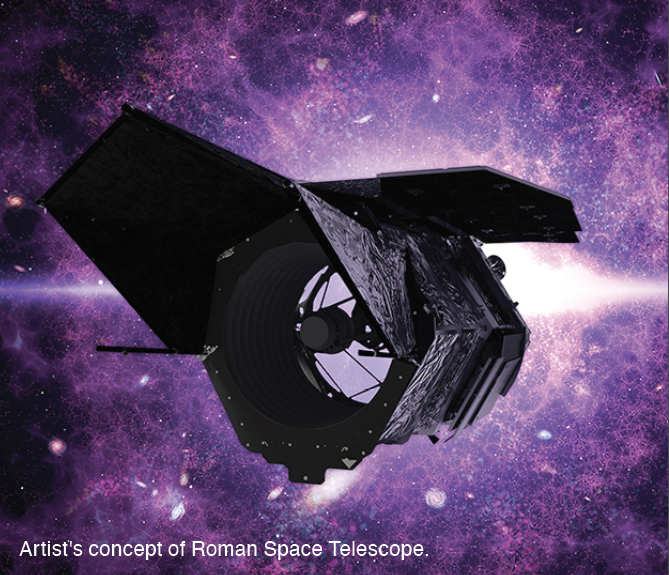
The NESC’s Thermal Control & Protection Technical Discipline Team (TDT) is a resource providing subject matter expertise in active and passive thermal control as well as ascent and entry thermal protection across the spectrum of agency needs. TDT members led or supported a variety of key activities including the ongoing Artemis I heat shield char loss investigation, assessing viable thermal control fluids as replacements for those being phased out due to Per- and Polyfluoroalkyl Substances (PFAS), conducting Commercial Crew-related thermal control and thermal protection analysis peer reviews, and leading and providing expertise to the Dragonfly Thermal Advisory Board and the Nancy Grace Roman Space Telescope Standing Review Board.
Enhancing the Thermal Community of Practice
The TDT welcomed two new early-career engineers for a one-year rotation after the program’s successful inaugural year. This experience helps to train the next generation of engineers and leaders. Rotational engineers are responsible for formulating the TDT’s annual State of the Discipline presentation, an assessment of the overall health and needs of the thermal control and thermal protection disciplines. Additionally, the rotational engineers may be involved in a variety of other TDT activities including initial work on a thermal control standard and maintaining the thermal control and protection critical technologies list to broaden their experience and to become familiar with key thermal work across the agency.
The TDT continued to embrace its responsibility to maintain and enhance the thermal control and protection community of practice through presentation of three webinars covering file plotting tools, two-phase flow, and Dragonfly thermal design. The TDT also developed a lesson on thermal louvers for inclusion into the NESC Academy.
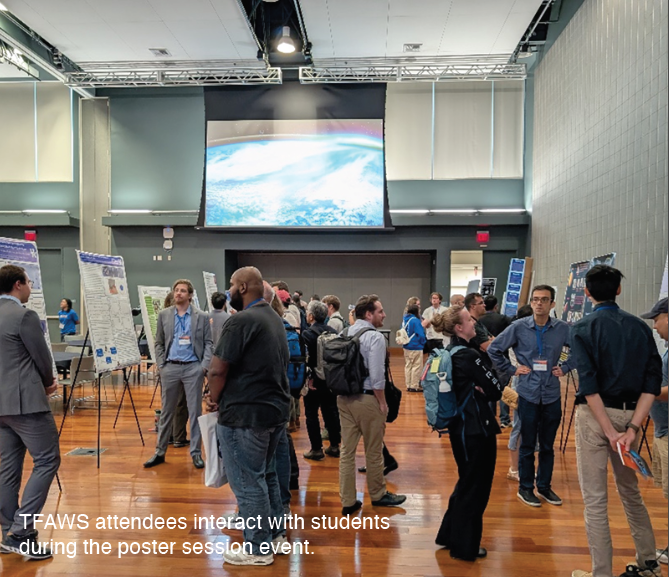
The TDT remains the lead cosponsor of the Thermal and Fluids Analysis Workshop (the other cosponsors are the Aerosciences and Cryogenics TDTs), an annual, longstanding NASA-owned event that provides training and is designed to encourage knowledge sharing, professional development, and networking throughout the NASA thermal and fluids engineering community and the aerospace community at large. The workshop features technical sessions and presentations, analysis software demonstrations and training, technical short courses, a student poster session, guest speakers, and speed mentoring. This year’s event was planned and presented by the Ames Research Center in partnership with San Jose State University and drew nearly 350 attendees. The NASA Technical Fellow for Thermal Control & Protection presented a theory-based short course titled “Introduction to Orbital Mechanics and Spacecraft Attitudes for Thermal Engineers.” The vision of TFAWS is to maintain continuity over time and between disciplines throughout the thermal and fluids engineering community. To inspire the next generation of engineers, the Technical Fellow also provided lectures and guidance to students at the Rice University Aerospace Academy reaching more than 300 students in the grades 9 through 12.

NASA/Johns Hopkins AP
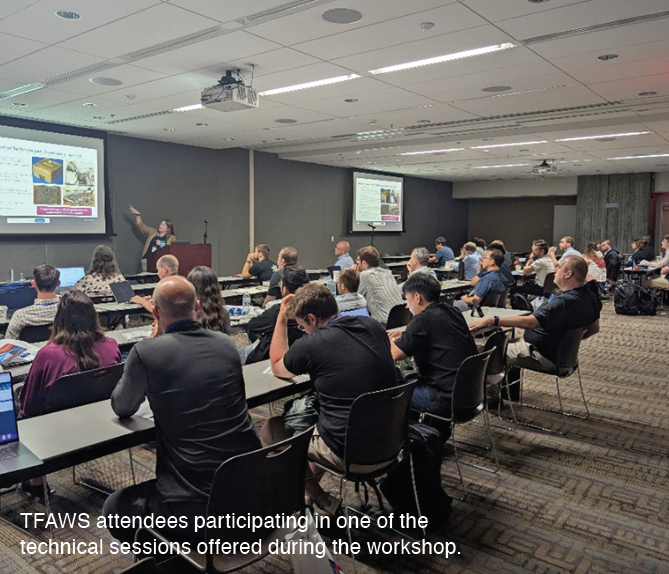
technical sessions offered during the workshop